
Published on April 10, 2025
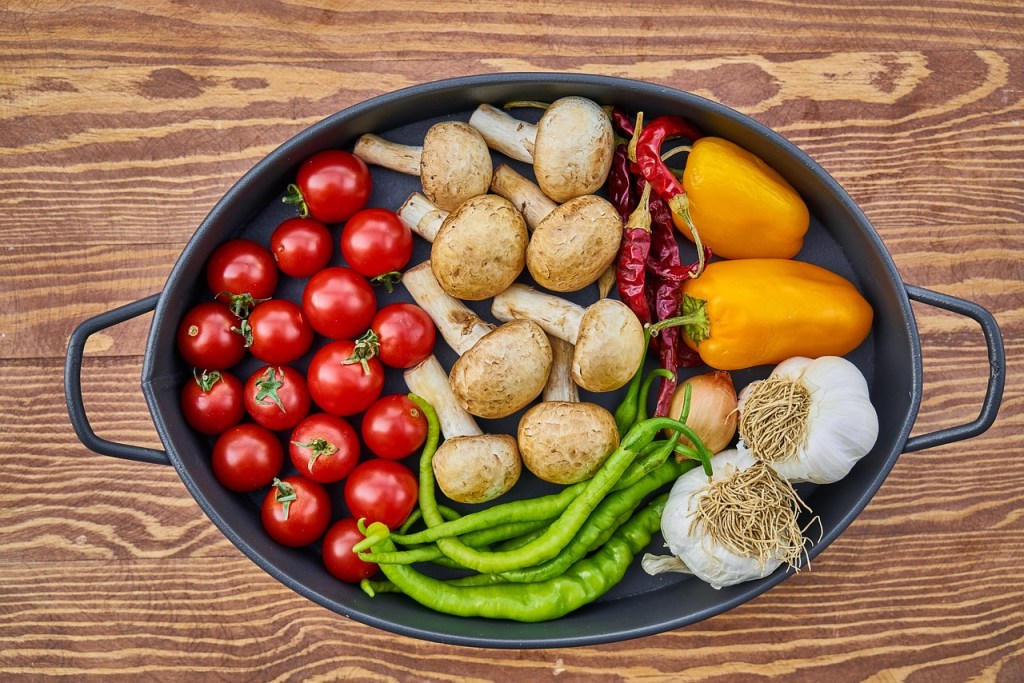
The World Liver Day is being observed on April 19th 2025. The theme this year is “Food is Medicine”. It focuses on the crucial role that nutrition plays in maintaining liver health.
The liver plays a crucial role in breaking down food, storing energy, and filtering toxins. It works non-stop to process nutrients and remove waste, processes that are vital for health. Mindful eating and healthy food choices can help keep the liver healthy. On the other hand, consuming excess fat, alcohol, or toxins, can damage the liver beyond repair.
An Unhealthy Diet can promote MASLD
An inappropriate diet that is rich in sugar, fat, and ultra-processed foods can lead to a liver disease called Metabolic dysfunction-associated Steatotic Liver Disease (MASLD). MASLD affects more than 1/3rd of the global population. In this condition, excess fat deposits in the liver, causes liver damage, and increases the chances of developing liver cancer. People with MASLD suffer from at least one of several conditions. These include overweight, high blood pressure, high blood glucose or triglyceride levels, or low levels of high-density lipoprotein (HDL) cholesterol.
A Healthy Diet can prevent MASLD
MASLD is preventable and even reversible through healthy nutrition patterns. A balanced diet, rich in fruits, vegetables, whole grains, and lean proteins, can support optimal liver performance. The diet should be low in sugar and saturated fats. Ultra-processed foods should be avoided. The diet should be supplemented with exercise to promote weight loss.
The Mediterranean diet is recommended for maintaining good liver performance. It contains olive oil and high fiber plant-based foods like legumes, cereals, vegetables, fruits, and nuts. It also contains moderate amounts of dairy products (cheese and yogurt), fish, white meat, and eggs. The quantity of meat and meat products is minimized.
Access to Healthy Foods can prevent Liver Disease
Healthy food isn’t always easily available or affordable. Community initiatives should support access to nutritious food, make it affordable and educate people to consume them. Government policies and initiatives should aim to encourage healthy eating and avoid junk foods. Steps that could be taken include compulsory food labeling, taxes on unhealthy foods, and school meal programs.
References:
George ES, Reddy A, Nicoll AJ, et al. Impact of a Mediterranean diet on hepatic and metabolic outcomes in non‐alcoholic fatty liver disease: The MEDINA randomised controlled trial. Liver Int. 2022;42:1308–1322. doi: 10.1111/liv.15264
Xiang M, Tian X, Wang H, Gan P, Zhang Q. Inappropriate Diet Exacerbates Metabolic Dysfunction-Associated Steatotic Liver Disease via Abdominal Obesity. Nutrients. 2024 Dec 5;16(23):4208. doi: 10.3390/nu16234208.
Uluçay Kestane V, Baş M. Efficacy of the Mediterranean Diet Containing Different Macronutrients on Non-Alcoholic Fatty Liver Disease. Nutrients. 2024 Aug 14;16(16):2699. doi: 10.3390/nu16162699
Disclaimer: The information provided in this site is for informational purposes only. It is not intended to replace the advice of a doctor or healthcare professional, or the relationship that exists between a patient/site visitor and his/her existing physician. Always consult your doctor or other qualified healthcare provider for any medical condition, procedure, or treatment.
 Insights on Health and Wellness