
Published on January 14, 2026
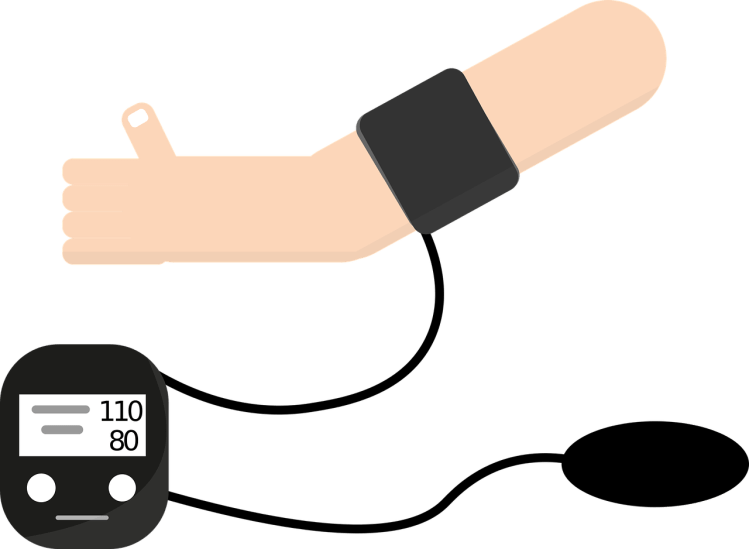
High blood pressure is often called the “silent killer,” but by checking your blood pressure regularly at home, you can take charge of your heart health from the comfort of your living room.
Why Monitor at Home?
While office visits are essential, they only offer a snapshot of your blood pressure. The blood pressure recorded in the doctor’s office could be higher than usual if you are anxious, or could appear normal in the clinic but be dangerously high in the daily life. By tracking blood pressure readings over time, you can detect significant variabilities and provide your physician with accurate data that could reduce your risk of heart disease.
Choosing the Right Device: Cuff vs. Cuffless
The Trusted Standard: Cuffed Monitors
For clinical diagnosis and treatment changes, cuffed arm monitors remain the gold standard. When shopping, look for “clinically validated” devices. Organizations like Stride BP and ValidateBP.org provide updated lists of vetted monitors. Ensure the cuff fits properly (covering 80-100% of your arm circumference).
The Modern Frontier: Cuffless Devices
Innovations like smartwatches, finger rings, and chest patches offer continuous monitoring without the “squeeze.” While highly convenient, the American Heart Association (AHA) warns that these are not yet accurate enough for diagnosis. They often require frequent re-calibration with a cuffed device and the readings can be affected by skin tone, movement, or extreme temperatures.
How to Measure Correctly
To get the most accurate results with a cuffed blood pressure monitor, follow these simple steps:
- Avoid caffeine, smoking, or exercise 30 minutes before. Empty your bladder before taking the reading.
- Rest in a chair with feet flat on the floor for 5 minutes. Keep your arm at heart level.
- Take two to three readings, one minute apart. Discard the first reading and average the next two.
Home Monitoring of Low Blood Pressure
While home monitoring is most commonly recommended for patients with high blood pressure (hypertension), it is a vital tool for managing low blood pressure (hypotension) as well.
Some people experience a sudden drop in blood pressure when they stand up or after a heavy meal. Monitoring the blood pressure at home can help to identify triggers for the low blood pressure and adopt corrective lifestyle changes as necessary.
The Bottom Line
A home blood pressure monitor is a tool for recording, not self-treating. Never change your medication based on a single reading or without consulting your doctor. A reading of 135/85 mmHg at home is generally considered the threshold for hypertension, but your treating physician will determine the best target for your specific needs.
Important Thresholds to Remember:
- Hypertension Threshold: Home readings consistently equal or above 135/85 mmHg usually indicate hypertension.
- Urgent Care: If a single systolic reading is higher than 180 mmHg, contact your physician’s office immediately.
- Medication: Do not change your medication dosage based on these readings without consulting your doctor.
References:
2021 European Society of Hypertension practice guidelines for office and out-of-office blood pressure measurement. Journal of Hypertension 39(7):p 1293-1302, July 2021. | DOI: 10.1097/HJH.0000000000002843
Cuffless Devices for the Measurement of Blood Pressure: A Scientific Statement From the American Heart Association. Hypertension https://doi.org/10.1161/HYP.0000000000000254
Disclaimer: The information provided in this site is for informational purposes only. It is not intended to replace the advice of a doctor or healthcare professional, or the relationship that exists between a patient/site visitor and his/her existing physician. Always consult your doctor or other qualified healthcare provider for any medical condition, procedure, or treatment. AI assistance has been used to write this article.
 Insights on Health and Wellness