
Updated on September 3, 2025
First published on September 4, 2021
Metabolic dysfunction-associated steatotic liver disease (MASLD) is a common condition particularly in diabetic and obese people. Excess fat accumulates in the liver when there is no significant alcohol intake or other chronic liver diseases. Individuals with MASLD are prone to heart disease.
Treatment options for MASLD
Currently, there are very few drug options to treat MASLD. Resmetirom is approved in the US to treat a severe form of MASLD while semaglutide is approved for the treatment of certain moderate to severe forms of the condition. Another drug, saroglitazar, is approved for MASLD in India. Given the limited treatment options, it is heartening to know that simple lifestyle changes can help improve liver condition. These changes should aim to reduce bring about a sustained weight reduction.
Simple lifestyle changes in diet and physical activity not only reverse the liver changes but also reduce the heart risk. The changes also help to improve conditions like hypertension, diabetes and obesity, that often affect people with MASLD.
The Mediterranean diet is ideal for patients with MASLD
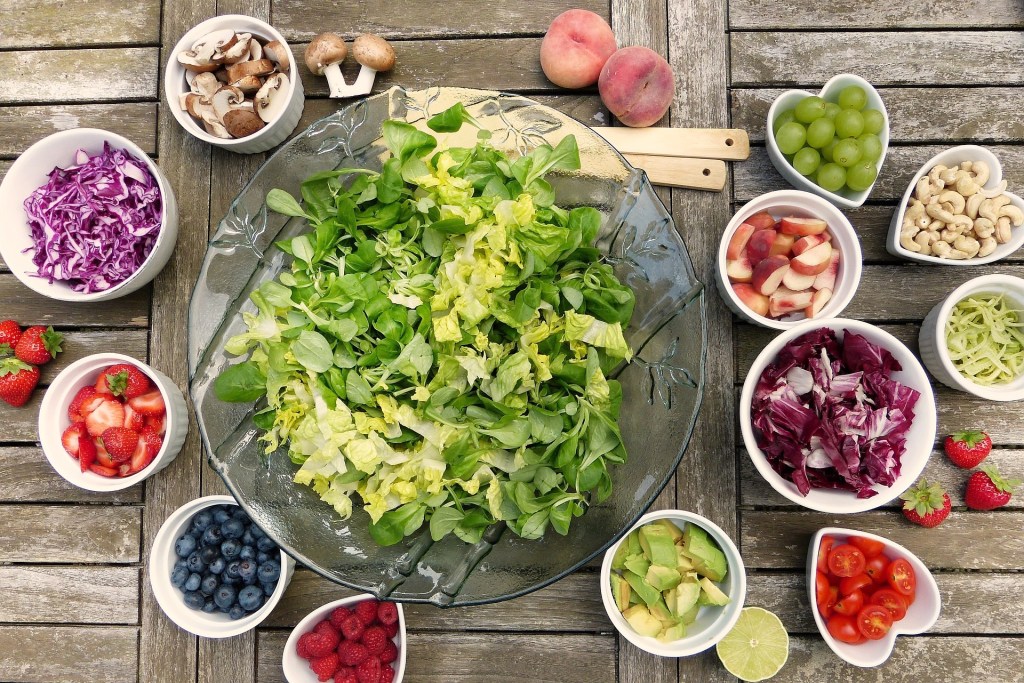
The Mediterranean diet remains the top recommendation for individuals with MASLD. It comprises of vegetarian foods like whole grains, nuts, legumes, fruits and vegetables. It is low in carbohydrates, particularly simple sugars and refined carbohydrates. The sources of fat include olive oil and sea food. The red meat, poultry and low-fat dairy content is limited.
Early research shows that intermittent fasting or a “DASH” diet (rich in fruits, vegetables, and low-fat dairy) can help MASLD patients. However, more studies are needed.
Physical activity reduces weight and improves the MASLD.
Physical activity of at least of 150–200 min/week comprising of moderate intensity aerobic exercises is advised for people with MASLD. It improves the MASLD, though higher levels of activity are linked to more advantage.
Prevention is the Key
Diet control can also prevent MASLD. Below are some of the diet changes that could help:
- Reduce intake of added sugars and refined carbohydrates. Avoid soft drinks, packaged snacks, and baked goods high in fructose.
- Increase fiber intake from whole plant foods to help regulate blood sugar and lower cholesterol. Fiber also increases satiety and reduces total calorie intake.
- Unsweetened coffee in moderate amount may be liver-protective.
- Avoid heavy alcohol intake.
- Limit saturated fats from fatty meats, full-fat dairy, and lard. Consider healthy fats from nuts, avocados, olive oil, and fish.
References:
Hao X, Song H, Su X, Li J, Ye Y, Wang C, Xu X, Pang G, Liu W, Li Z, Luo T. Prophylactic effects of nutrition, dietary strategies, exercise, lifestyle and environment on nonalcoholic fatty liver disease. Ann Med. 2025 Dec;57(1):2464223. doi: 10.1080/07853890.2025.2464223.
Miller EF. Nutrition Management Strategies for Nonalcoholic Fatty Liver Disease: Treatment and Prevention. Clinical Liver Disease 2020; 15(4): 144-148.
Olivera CP et al. Nutrition and Physical Activity in Nonalcoholic Fatty Liver Disease. Journal of Diabetes Research, vol. 2016, Article ID 4597246, 12 pages, 2016. https://doi.org/10.1155/2016/4597246.
Disclaimer: The information provided in this site is for informational purposes only. It is not intended to replace the advice of a doctor or healthcare professional, or the relationship that exists between a patient/site visitor and his/her existing physician. Always consult your doctor or other qualified healthcare provider for any medical condition, procedure, or treatment.
 Insights on Health and Wellness