
Published on August 22, 2025
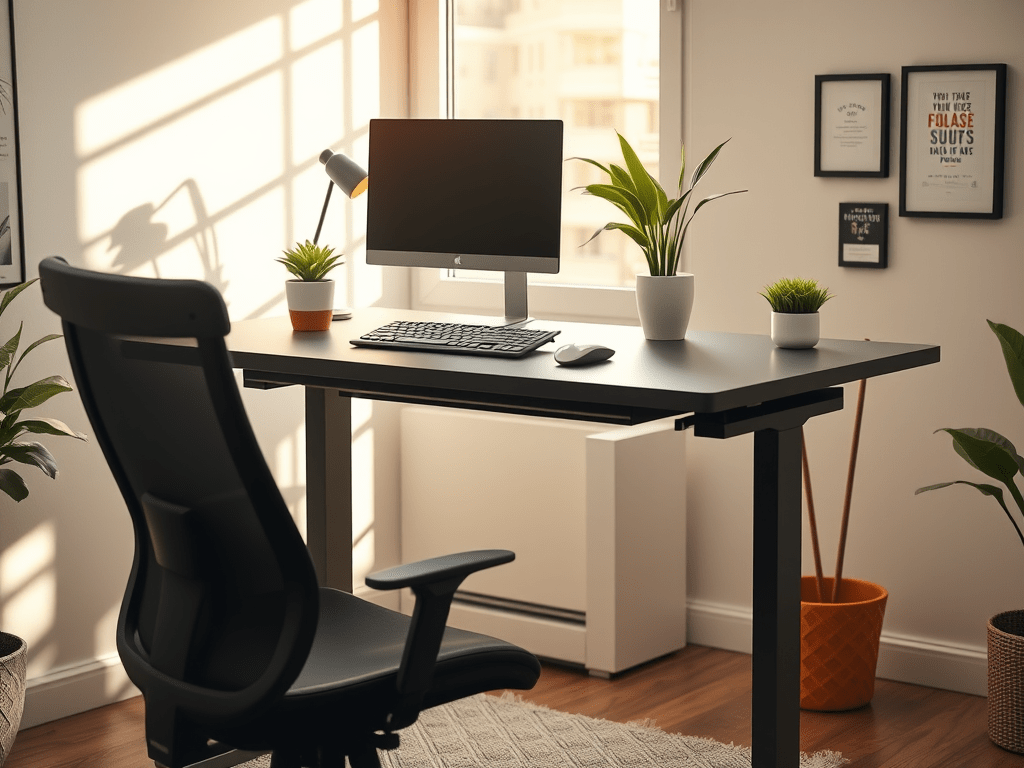
Office work has become easier with computers, but prolonged sitting and repetitive tasks can harm health and productivity. While office jobs might seem physically lighter compared to manual labor, the side effects of a sedentary lifestyle deserve attention. This post explores the health risks of office work and actionable tips to stay healthy at your desk.
The Hidden Dangers of Desk Jobs
Sitting for extended periods is linked to a lower metabolic rate than standing or walking. Over time, being sedentary can raise your risk for:
- Type 2 diabetes
- Hypertension (high blood pressure)
- High cholesterol
- Obesity
- Heart disease
- Osteoporosis
- Anxiety and depression
Even productivity can drop: prolonged sitting may reduce brain activity, making it harder to focus and think creatively. Regular movement boosts heart rate, oxygen uptake, and blood flow to the brain—key factors for staying alert and productive.
Common Physical Complaints Among Office Workers
Body aches and pains are immediate, noticeable effects of sitting too long, especially with a poor posture. Here are some common complaints among office goers:
Neck Pain
- Neck pain is a frequent issue and can have multiple causes—both physical and psychological.
- The physical causes include:
- Poor setup of the monitor, keyboard, or chair.
- Tension in neck muscles from poor posture or awkward arm positions while sitting at the computer.
- Eye strain that radiates tension to head and neck muscles.
- The psychosocial cause includes:
- Workplace stress and mental pressure which can contribute to neck tension. Stress-related pain is harder to diagnose but just as real.
- Note: Pre-existing conditions such as cervical spondylosis, fibromyalgia, or ankylosing spondylitis should be ruled out before blaming the computer.
Lower Back and Lower Body Discomfort
- Lower back pain is common due to insufficient back support during prolonged sitting.
- Buttock pressure is caused by constant sitting, which can also lead to poor circulation and swelling in the ankles and feet.
Actionable Interventions to Reduce Prolonged Sitting-Related Problems
The best way that employers can prevent these issues in their office workers is to break up long periods of sitting and tweak the environment for better ergonomics.
1. Raise Awareness
- Educate all desk workers about how much time they spend sitting and the health consequences of inactivity.
- Office counsellors should discuss the risks of prolonged sitting.
- Office workers should be advised on the correct seating posture.
2. Encourage Standing and Movement
- Switch to sit-stand desks that let employees alternate between sitting and standing.
- Install standing workstations in meeting rooms to allow standing during discussions.
- Permit employees to take regular short breaks to stretch or walk around. The office furniture can be rearranged so that utilities such as the printer or trash can are beyond arms reach, thereby forcing everyone to move about when they need to use them.
- Encourage walking meetings or move in-person communications instead of sending emails.
3. Add Movement-Inspired Tools
- Offer short, scheduled exercise sessions: group stretching or warm-ups during work hours.
- Provide treadmills, stationary bikes, or vertical workstations so employees can exercise while working.
- Give access to manual or heat therapy to ease muscle soreness.
4. Set Reminders
- Use digital pop-ups or wearable devices to remind workers to move.
- Track movement to build new, healthier habits.
Conclusion
Office work doesn’t have to ruin your health. By improving the workstation setup, breaking up long periods of sitting, and integrating movement into your day, you can protect your body, boost productivity, and enjoy your work with fewer aches and pains.
Reference:
Waersted M, Hanvold TN, Veiersted KB. Computer work and musculoskeletal disorders of the neck and upper extremity: a systematic review. BMC Musculoskelet Disord. 2010 Apr 29;11:79. doi: 10.1186/1471-2474-11-79
Kazeminasab S, Nejadghaderi SA, Amiri P, Pourfathi H, Araj-Khodaei M, Sullman MJM, Kolahi AA, Safiri S. Neck pain: global epidemiology, trends and risk factors. BMC Musculoskelet Disord. 2022 Jan 3;23(1):26. doi: 10.1186/s12891-021-04957-4.
Baker R, Coenen P, Howie E, Williamson A, Straker L. The Short Term Musculoskeletal and Cognitive Effects of Prolonged Sitting During Office Computer Work. Int J Environ Res Public Health. 2018 Aug 7;15(8):1678. doi: 10.3390/ijerph15081678.
Disclaimer: The information provided in this site is for informational purposes only. It is not intended to replace the advice of a doctor or healthcare professional, or the relationship that exists between a patient/site visitor and his/her existing physician. Always consult your doctor or other qualified healthcare provider for any medical condition, procedure, or treatment. AI has been used to assist in developing this article.
 Insights on Health and Wellness