
Published on April 23, 2024
What is gut microbiota?
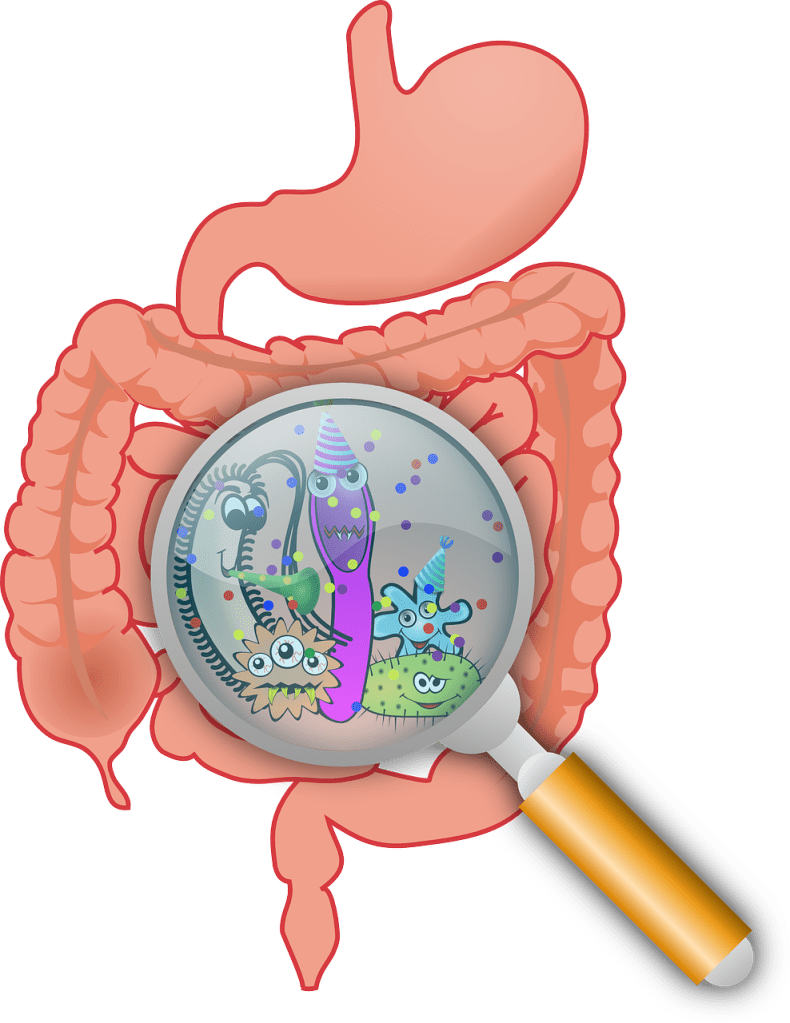
Our digestive tracts are colonized by more than a 1000 different species of bacteria. These bacteria help in digestion, synthesize vitamins, influence the immune system and support our overall health. They have a local effect on the digestive tract as well as influence other body systems. These can be studied using DNA sequencing and the varieties found in the gut are collectively referred to as the gut microbiota.
A proper balance of these ‘good’ microbes in the digestive tract is important; an imbalance called dysbiosis has been associated with diseases such as inflammatory bowel disease as well as with diseases that seemingly have no connection with the digestive system such as heart disease, diabetes and even mental health disorders.
How does gut microbiota affect our health?
The gut microbes synthesize molecules which include short chain fatty acids, lipopolysaccharides and branched chain amino acids that can promote or prevent disease through different mechanisms. The microbes may compete with harmful microorganisms for space and nutrients, thereby preventing them from flourishing and causing disease. They can also interact with the nerves in the digestive system to affect the brain, a communication described as the gut-brain axis.
How do you maintain good gut health?
Diet plays an important role in the maintenance of a good balance of gut microbes. A plant-based diet rich in fiber including fruits, vegetables, legumes and whole grains support a healthy microbial balance in the gut. The intake of fermented foods such as yogurt, kimchi and kombucha as well as foods with added probiotic microorganisms could also support the gut microbiota. The balance could also be maintained by avoiding irrational antibiotic use and reducing stress in our lives.
Reference:
Afzaal M, Saeed F, Shah YA, Hussain M, Rabail R, Socol CT, Hassoun A, Pateiro M, Lorenzo JM, Rusu AV and Aadil RM (2022) Human gut microbiota in health and disease: Unveiling the relationship. Front. Microbiol. 13:999001. doi: 10.3389/fmicb.2022.999001
Disclaimer: The information provided in this site is for informational purposes only. It is not intended to replace the advice of a doctor or healthcare professional, or the relationship that exists between a patient/site visitor and his/her existing physician. Always consult your doctor or other qualified healthcare provider for any medical condition, procedure, or treatment.
 Insights on Health and Wellness