
Published on August 14, 2025
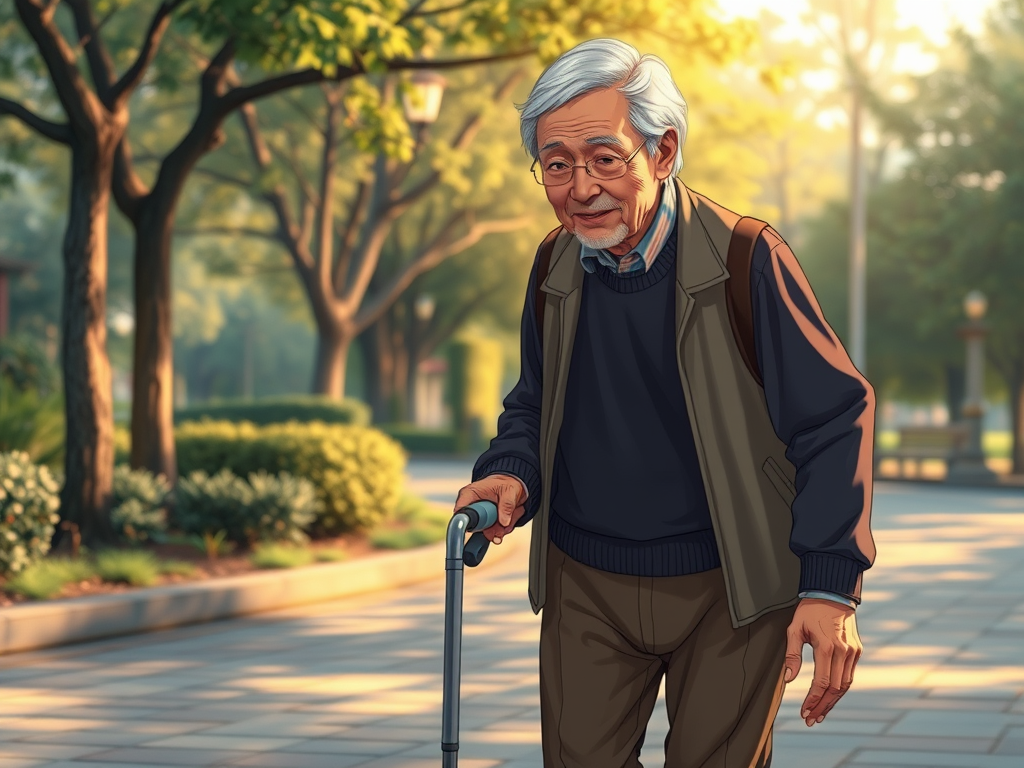
As people age, staying independent and safe becomes a top priority. Falls are a leading cause of injury and loss of independence among the elderly. Educating seniors and their caregivers about the risks and best prevention strategies is crucial—to prevent injuries and help them maintain an active and fulfilling life.
Why Fall Prevention Matters for the Elderly
Preventing falls can help seniors live independently longer. Falls can lead to serious injuries such as hip fractures or head injuries. The fear of falling can cause older adults to restrict their activities, leading to physical decline and social isolation.
Top Fall Prevention Strategies for Seniors
Protecting yourself or your loved ones starts with understanding the best steps to stay safe:
1. Exercise for Strength and Balance
- Physical activity improves lower limb strength and balance. Regular programs led by trained professionals can make a significant difference.
- Tai Chi enhances balance and muscle strength but may not be suitable for those already at high risk.
- Whole body vibration and exercises focused on preventing sideways and forward falls are also beneficial.
- Upper limb exercises help break a fall and reduce fracture risk.
2. Foot Care and Proper Footwear
- Foot and ankle exercises reduce pain and improve strength, lowering the chance of falls.
- Choose footwear that supports and protects against slips and trips.
3. Vision Checks
- Have eyesight checked regularly.
- Correct vision problems promptly—cataract or glaucoma surgery may be advised.
4. Managing Medical Conditions
- Treat underlying disorders such as Parkinson’s disease, fainting spells or low blood pressure.
- Steps to prevent falls due to low blood pressure linked to rising from a seated or lying down position:
- Rise from bed slowly: sit first, move feet, clench hands, and stand with support.
- March in place after standing to improve circulation.
- Ensure adequate hydration (unless restricted).
5. Medication Review
- Some medications increase fall risk—have your healthcare provider assess your prescriptions using the Beers Criteria.
6. Home Safety Enhancements
- Keep floors clutter-free. Remove small rugs or secure them with double-sided tape.
- Bathroom safety: Install grab bars next to the tub and toilet, add non-slip mats, and use night lights.
- Staircase upgrades: Add handrails and bright lighting.
- Kitchen organization: Store items within reach and avoid using chairs for climbing.
Final Thoughts
Empowering the elderly with knowledge and practical steps can dramatically reduce the risk of falls and associated complications. Implementing these prevention strategies ensures a safer home environment and keeps seniors active, independent, and confident.
Reference:
https://www.cdc.gov/steadi/index.html
Blain H, Miot S, Bernard PL. How Can We Prevent Falls? 2020 Aug 21. In: Falaschi P, Marsh D, editors. Orthogeriatrics: The Management of Older Patients with Fragility Fractures [Internet]. 2nd edition. Cham (CH): Springer; 2021. Chapter 16. Available from: https://www.ncbi.nlm.nih.gov/books/NBK565579/ doi: 10.1007/978-3-030-48126-1_16. Available under Creative Commons Attribution 4.0 International License (http://creativecommons.org/licenses/by/4.0/)
Disclaimer: The information provided in this site is for informational purposes only. It is not intended to replace the advice of a doctor or healthcare professional, or the relationship that exists between a patient/site visitor and his/her existing physician. Always consult your doctor or other qualified healthcare provider for any medical condition, procedure, or treatment. AI has been used to assist in developing this article.
 Insights on Health and Wellness